Installing a grease trap is a critical step for restaurants, commercial kitchens, and food service businesses. Grease trap installation helps prevent fats, oils, and grease from entering sewer lines and causing costly plumbing problems. When installed correctly, a grease trap protects your business, supports local infrastructure, and keeps your operation compliant with local regulations. Understanding the process helps you make informed decisions and avoid unexpected issues later.
Ameri-Tex Septic and Grease Service has supported Houston-area businesses for decades. Their experience with grease trap installation, cleaning, and maintenance allows commercial properties to operate smoothly without plumbing interruptions.
Why Grease Trap Installation Is Essential for Commercial Kitchens
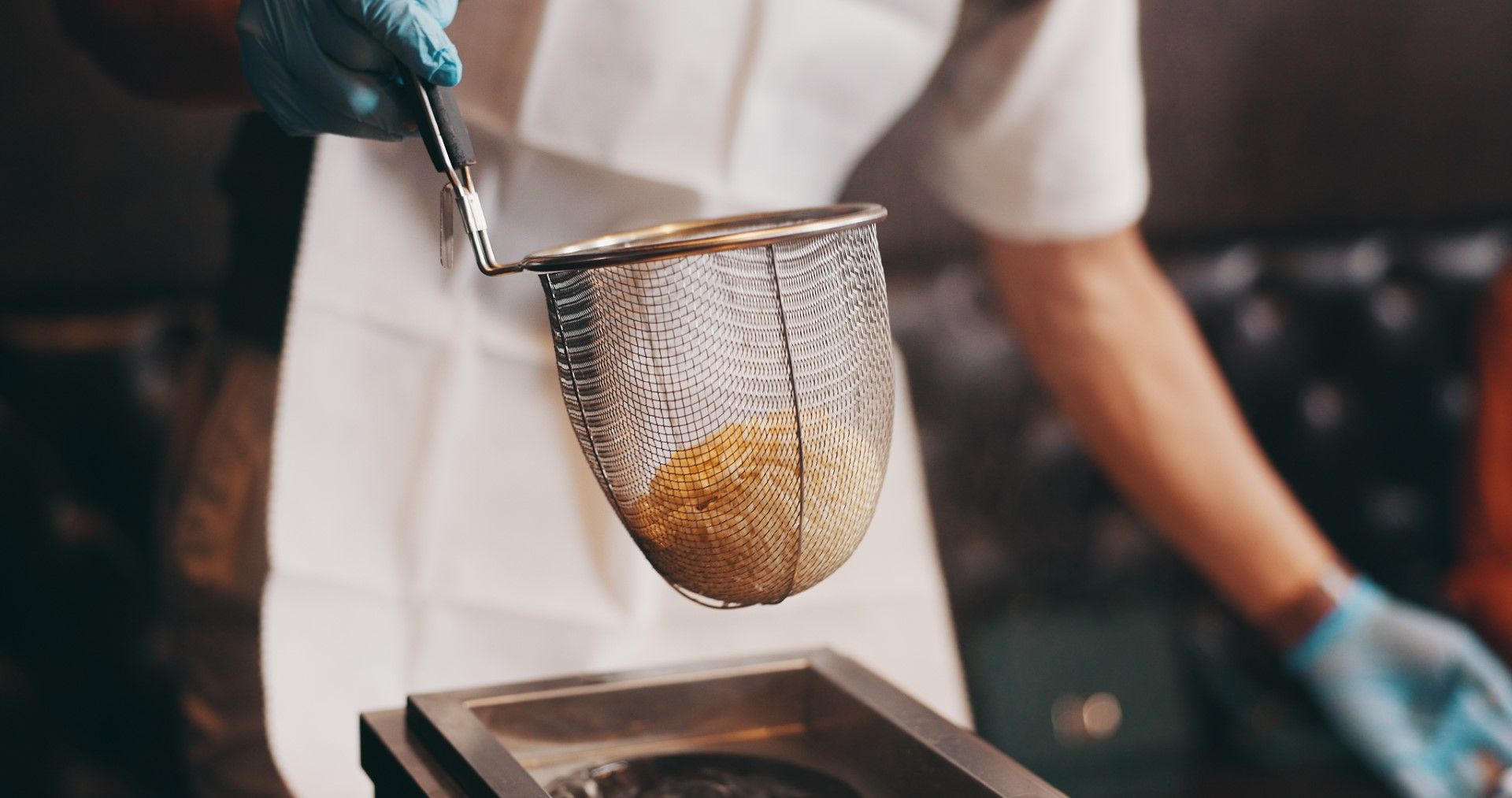
Grease trap installation is not optional for most food service businesses. During daily kitchen operations, grease and food particles flow into drains from sinks, dishwashers, and floor drains. Without a grease trap, these materials solidify inside pipes and sewer lines.
As a result, blockages form quickly. These blockages often lead to backups, unpleasant odors, slow drains, and health code violations. Therefore, grease trap installation acts as a first line of defense against plumbing emergencies.
Additionally, local municipalities often require grease trap installation for restaurants and commercial kitchens. Proper installation helps businesses meet health and plumbing codes while avoiding fines or forced shutdowns.
How Grease Trap Installation Works
Grease trap installation involves more than placing a container under a sink. Instead, it requires planning, proper sizing, and professional expertise to ensure long-term performance.
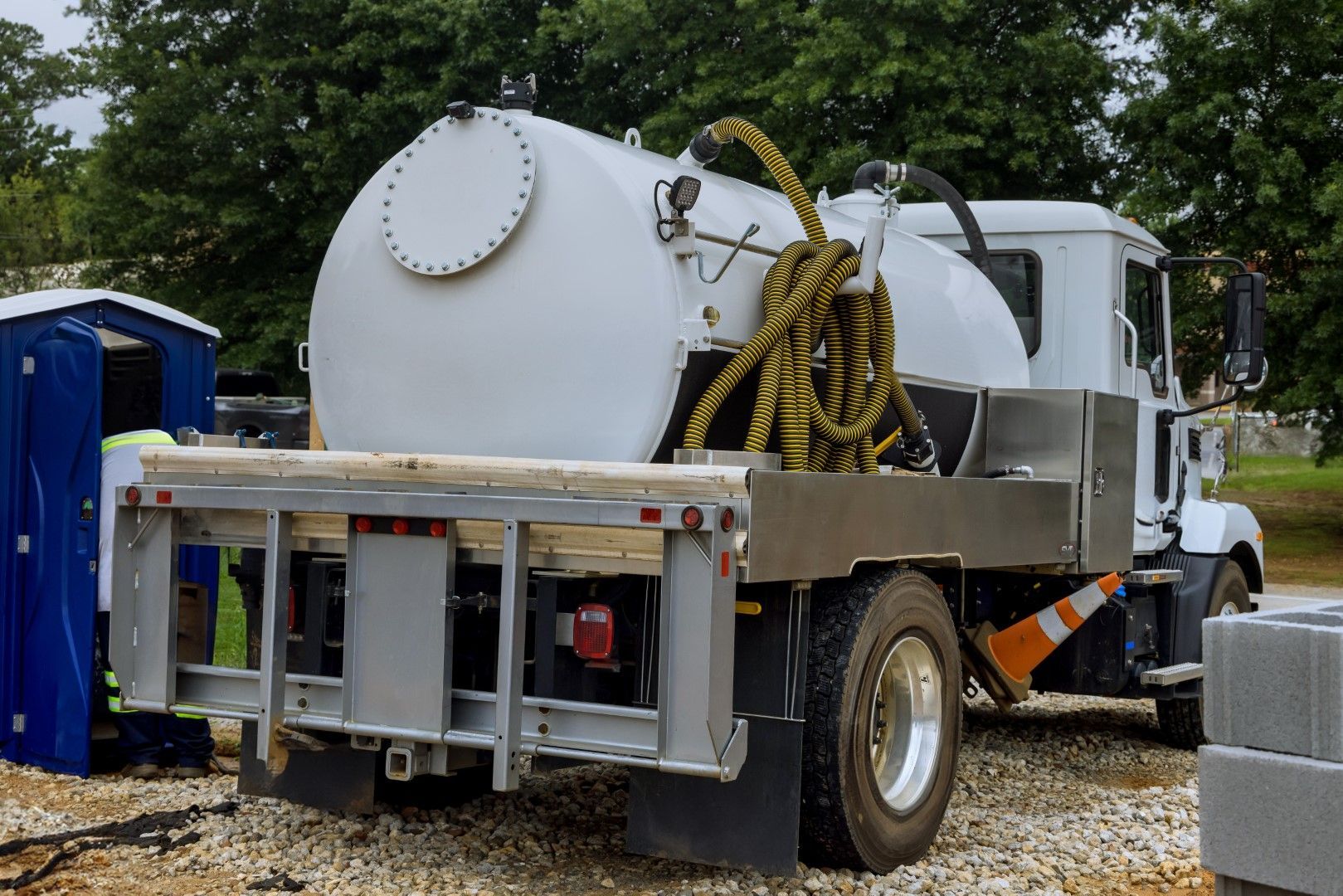
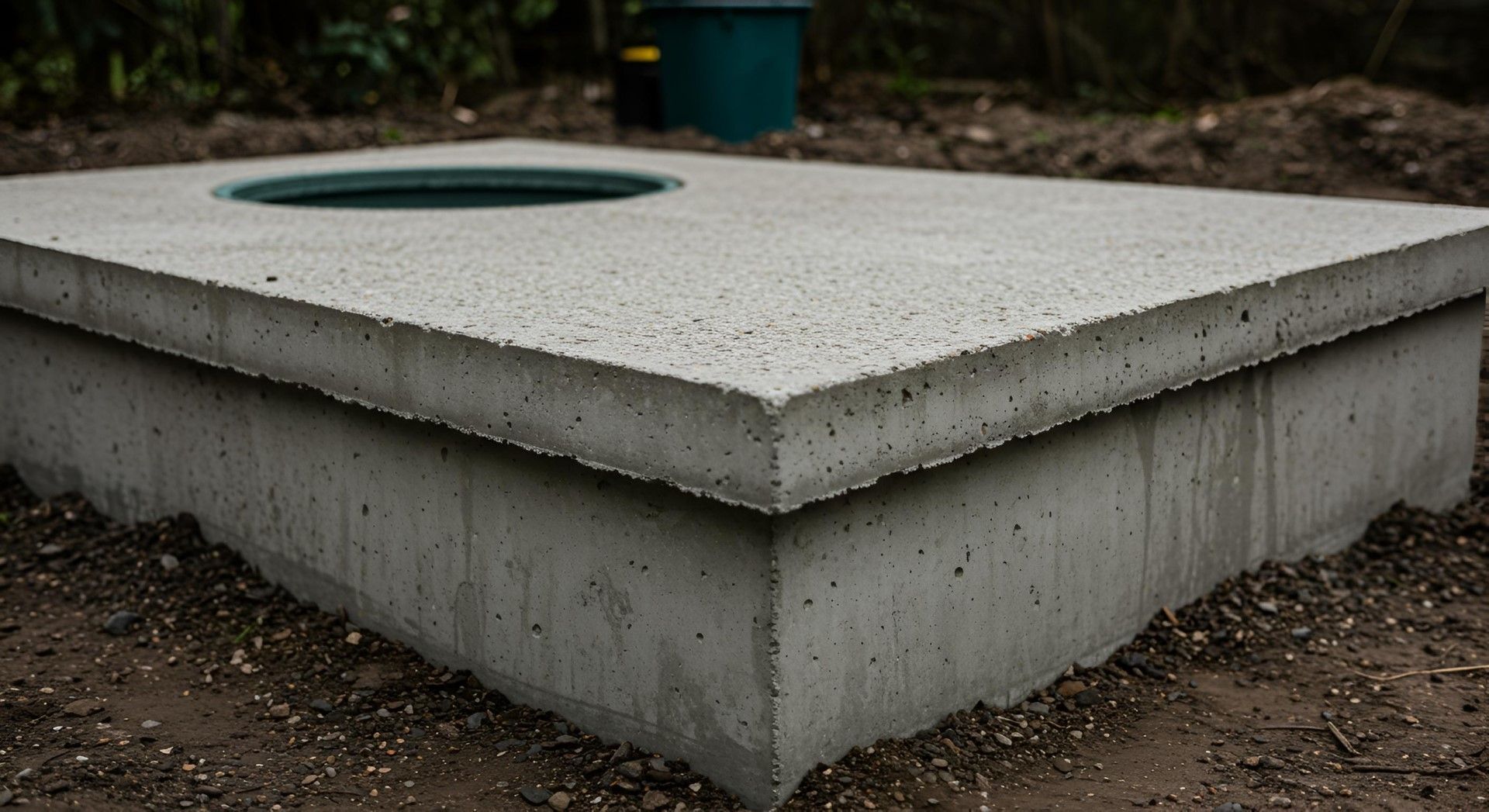
First, technicians evaluate your kitchen layout and wastewater output. This step determines the correct grease trap size and type. For example, smaller kitchens may use under-sink grease traps, while larger facilities require outdoor grease interceptors.
Next, the installation location is carefully selected. Placement must allow grease-laden water to flow through the trap before entering the sewer system. Proper placement also ensures easy access for future cleaning and inspections.
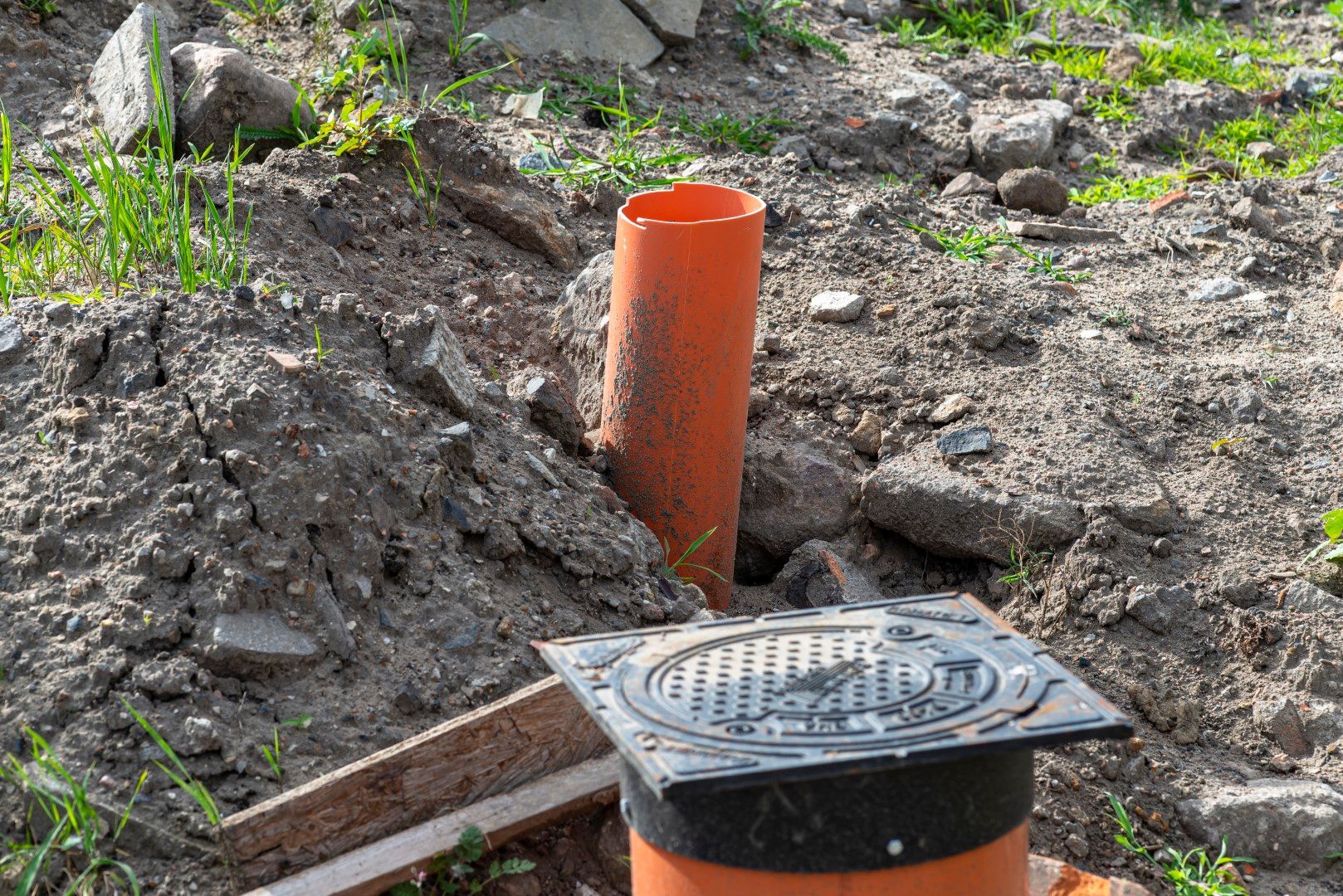
After positioning the unit, technicians connect the grease trap to your plumbing system. During this phase, they ensure all connections meet local code requirements and prevent leaks. Finally, the system is tested to confirm that grease separation works correctly and wastewater flows efficiently.
Choosing the Right Size Grease Trap
Selecting the correct size is one of the most important aspects of grease trap installation. A trap that is too small fills quickly and loses effectiveness. On the other hand, an oversized unit may cost more without providing additional benefits.
Grease trap sizing depends on several factors, including the number of sinks, dishwashers, and food preparation stations. The volume of wastewater produced daily also plays a role. Because of these variables, professional assessment is essential.
Ameri-Tex Septic and Grease Service evaluates each business individually. This approach ensures grease trap installation matches your operation’s demands while minimizing maintenance issues.
Common Mistakes to Avoid During Grease Trap Installation
Many plumbing problems stem from improper grease trap installation. One common mistake is installing the wrong size unit. When traps are undersized, grease bypasses the system and enters sewer lines.
Another frequent issue involves poor placement. Grease traps installed too far from grease-producing fixtures often fail to capture fats effectively. In addition, difficult-to-access installations discourage regular maintenance.
Improper installation can also violate local codes. As a result, businesses may face penalties or be required to reinstall the system. Working with experienced professionals helps avoid these costly mistakes.
Benefits of Professional Grease Trap Installation
Professional grease trap installation provides long-term value for commercial properties. First, it significantly reduces the risk of drain clogs and plumbing backups. With grease captured early, sewer lines remain clear.
Second, proper installation supports regulatory compliance. Health inspectors often review grease trap condition and maintenance records. A professionally installed system simplifies inspections and reduces stress.
Third, grease trap installation improves kitchen efficiency. Clear drains allow staff to work faster without interruptions caused by plumbing issues. Over time, this reliability saves money and protects your business reputation.
The Importance of Ongoing Maintenance After Installation
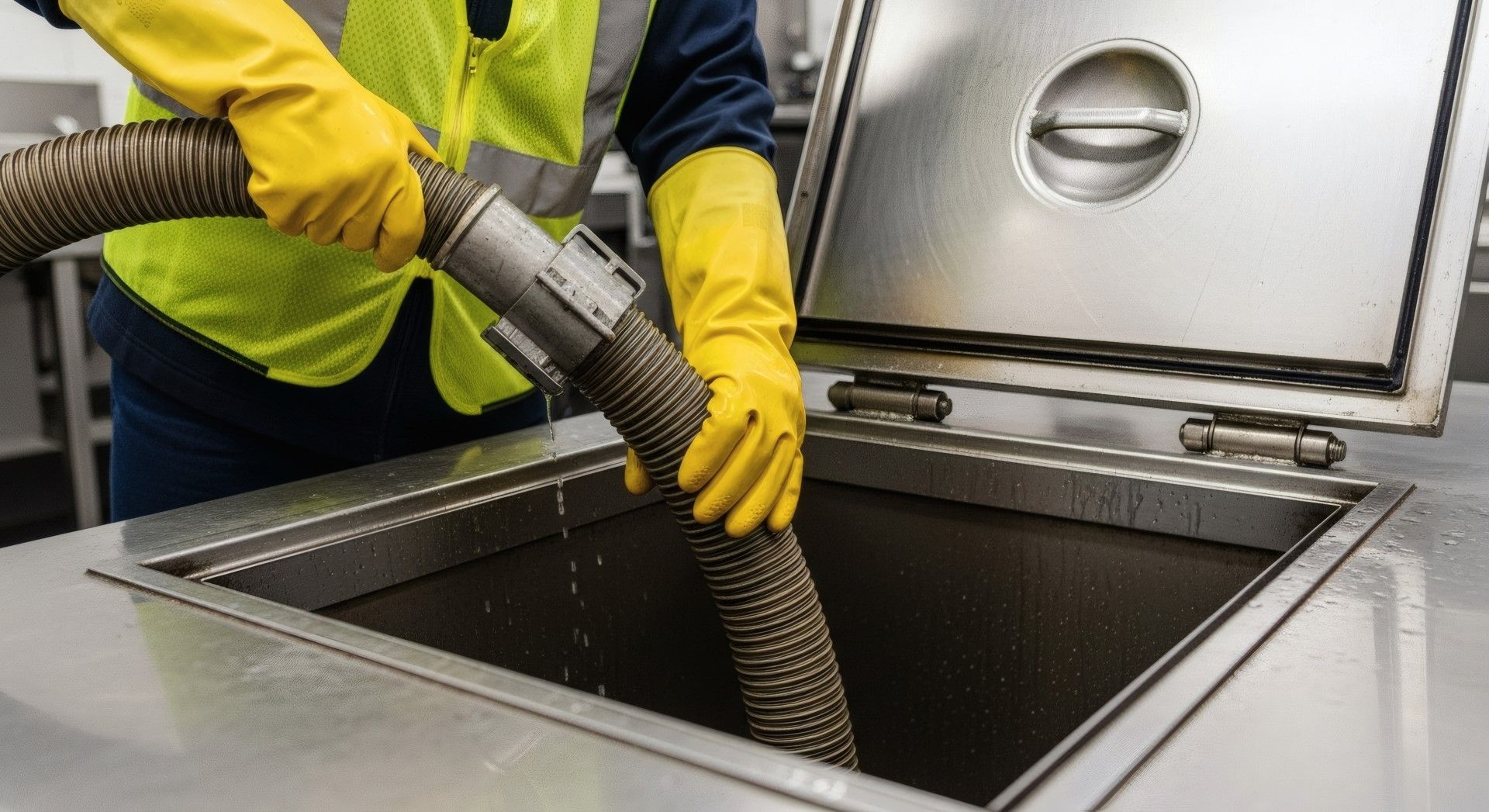
Grease trap installation is only the beginning. Regular maintenance ensures continued performance and compliance. Without routine cleaning, grease accumulates inside the trap and reduces its effectiveness.
Most commercial kitchens require grease trap cleaning every few months. However, high-volume operations may need more frequent service. Scheduled maintenance prevents overflows and unpleasant odors while extending the lifespan of the system.
Ameri-Tex Septic and Grease Service offers recurring maintenance plans tailored to each business. These plans help owners stay ahead of problems and avoid emergency service calls.
Why Experience Matters for Grease Trap Installation
Grease trap installation requires knowledge of plumbing systems, local codes, and real-world kitchen operations. Experienced providers understand how different businesses generate grease and wastewater.
Ameri-Tex Septic and Grease Service brings over 35 years of experience to every job. Their team understands the unique challenges faced by restaurants, cafeterias, and commercial kitchens throughout Houston and the surrounding areas.
Because of this experience, clients receive reliable installations that perform well under daily use. From initial assessment to final testing, every step is handled with attention to detail.
Planning for Grease Trap Installation in New or Existing Kitchens
Grease trap installation applies to both new construction and existing kitchens. During new builds, planning early allows seamless integration into the plumbing design. This approach reduces installation time and avoids future modifications.
For existing kitchens, grease trap installation may involve retrofitting. Skilled technicians evaluate current plumbing and recommend solutions that minimize disruption. In many cases, installation can be completed quickly without closing operations for extended periods.
Moving Forward with Confidence
Grease trap installation plays a vital role in protecting your plumbing, supporting compliance, and maintaining smooth kitchen operations. When installed correctly, it prevents costly emergencies and supports long-term success.
Ameri-Tex Septic and Grease Service provides dependable grease trap installation backed by decades of experience. Their team works closely with business owners to deliver solutions that fit operational needs and local requirements.
If your business needs professional grease trap installation or expert guidance, now is the time to take action. Contact Ameri-Tex Septic and Grease Service to schedule an evaluation and protect your plumbing investment.