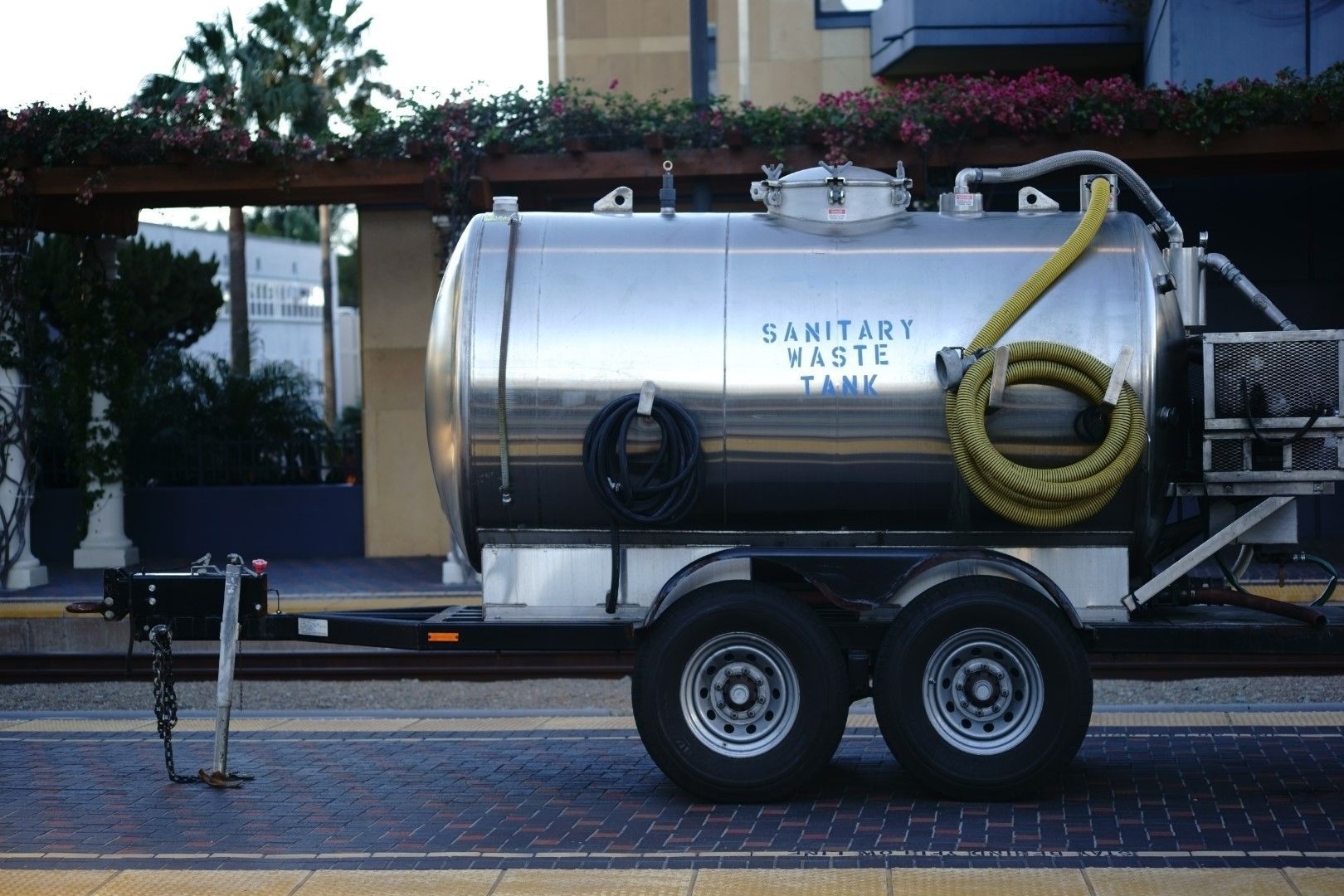
Septic systems rely on living microorganisms to treat wastewater safely. These microscopic organisms break down waste, reduce solids, and protect surrounding soil and groundwater. Understanding the bacteria in aerobic and anaerobic septic systems helps property owners maintain efficient systems while avoiding expensive repairs. Proper maintenance also supports long-term environmental protection.
Ameri-Tex Septic and Grease Service provides professional septic maintenance, pumping, repairs, and inspections throughout Houston and the Greater Houston area. Their experienced technicians help ensure that bacterial processes continue working effectively year-round.
How Septic Bacteria Treat Wastewater
Wastewater entering a septic system contains organic matter such as food waste, grease, and human waste. Bacteria digest these materials through natural biological processes. As bacteria consume solids, they convert waste into smaller particles, gases, and treated liquids that safely move through the system.
However, bacterial performance depends on proper system conditions. When the tank becomes overloaded or receives harmful chemicals, bacteria struggle to function efficiently. As a result, waste buildup increases and system performance declines. Routine maintenance supports stable bacterial populations and protects system health.
Anaerobic Bacteria in Conventional Septic Systems
Most traditional septic systems rely on anaerobic bacteria. These microorganisms function without oxygen and live primarily inside the septic tank. When wastewater enters the tank, heavier solids settle to the bottom and lighter materials float to the top. Anaerobic bacteria digest the solids that accumulate in the tank, gradually reducing their volume.
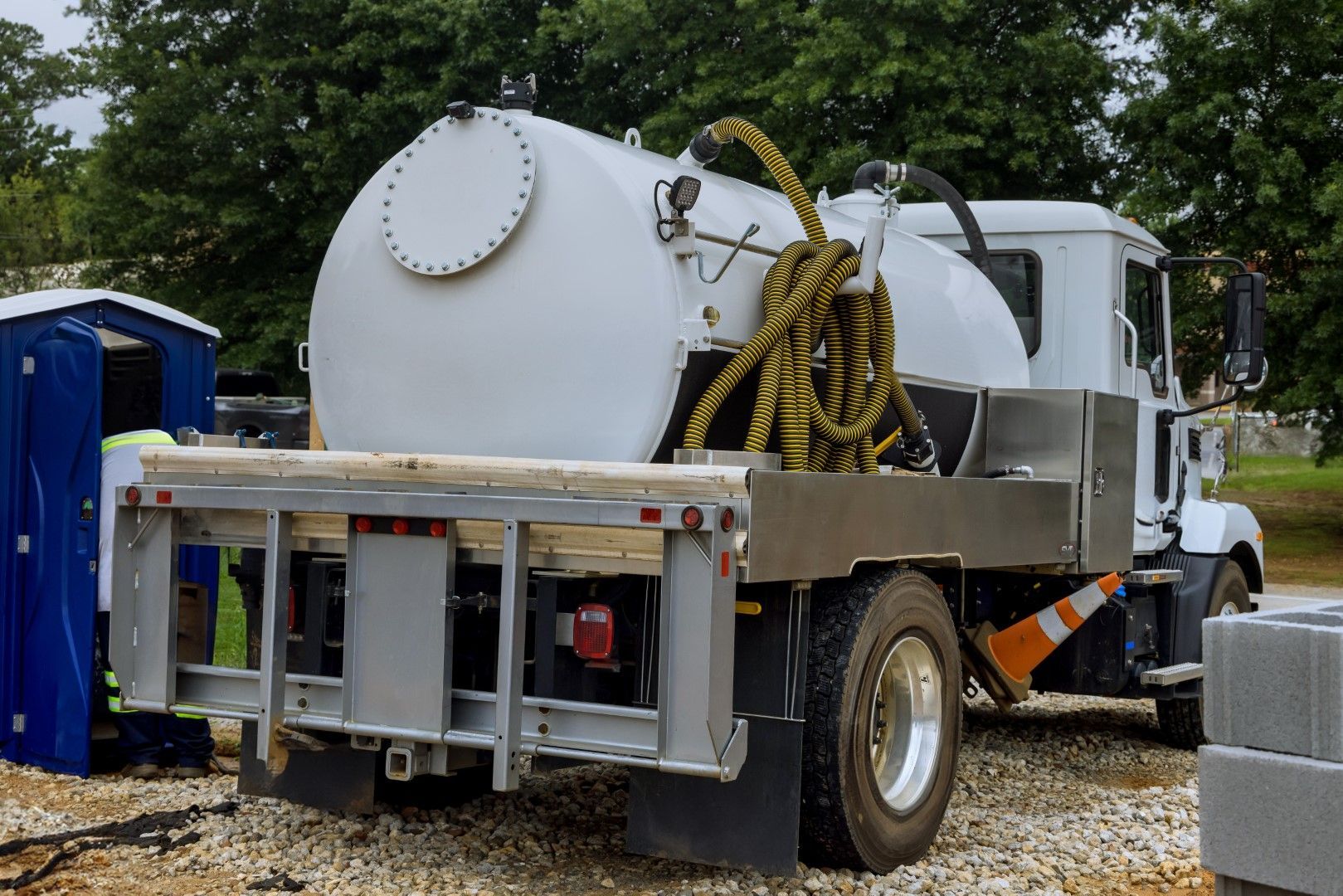
Although anaerobic bacteria perform essential work, their waste-breaking process occurs more slowly than aerobic treatment. Therefore, conventional systems require regular pumping to remove sludge that bacteria cannot fully digest. Scheduled service prevents overflow, protects the drain field, and keeps wastewater flowing properly.
Professional inspections also help detect early issues. When technicians remove excess buildup, the remaining bacteria can continue breaking down waste efficiently.
Aerobic Bacteria in Advanced Treatment Systems
Aerobic septic systems introduce oxygen into the treatment tank using mechanical aerators. This oxygen supports aerobic bacteria, which digest waste faster and more efficiently than anaerobic microorganisms. Because of this increased activity, aerobic systems produce cleaner wastewater with fewer odors.
The faster processing also reduces the amount of sludge buildup. However, aerobic systems include additional components such as air pumps, filters, and control systems. These components require routine inspections to ensure proper operation. When oxygen flow remains consistent, aerobic bacteria thrive and maintain strong treatment performance.
Property owners benefit from improved wastewater quality, but consistent maintenance remains essential. Routine service keeps aerators functioning and supports healthy bacterial populations.
Why Balanced Bacterial Populations Matter
Healthy microbial activity ensures septic systems operate safely and efficiently. Balanced bacteria in aerobic and anaerobic septic systems help:
- Break down organic waste efficiently
- Reduce sludge accumulation
- Minimize odors and backups
- Improve wastewater quality
- Extend the lifespan of the septic system
However, certain household and commercial products can disrupt bacterial colonies. Harsh chemicals, excessive grease, and non-biodegradable materials reduce bacterial effectiveness. Over time, this disruption leads to system strain, slow drainage, and potential failures.
Preventive maintenance and responsible waste disposal protect the bacteria responsible for wastewater treatment.
Maintenance Practices That Protect Septic Bacteria
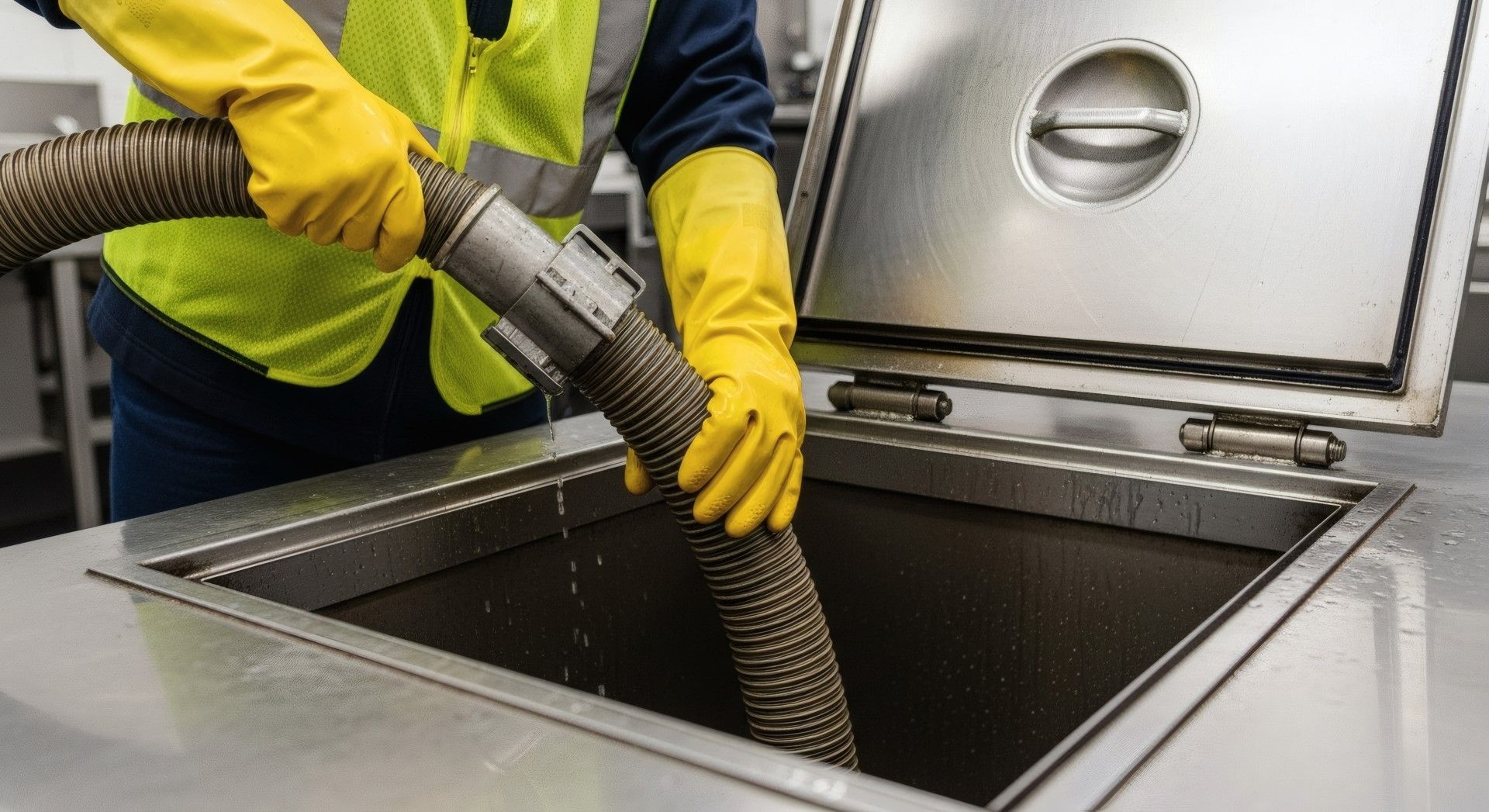
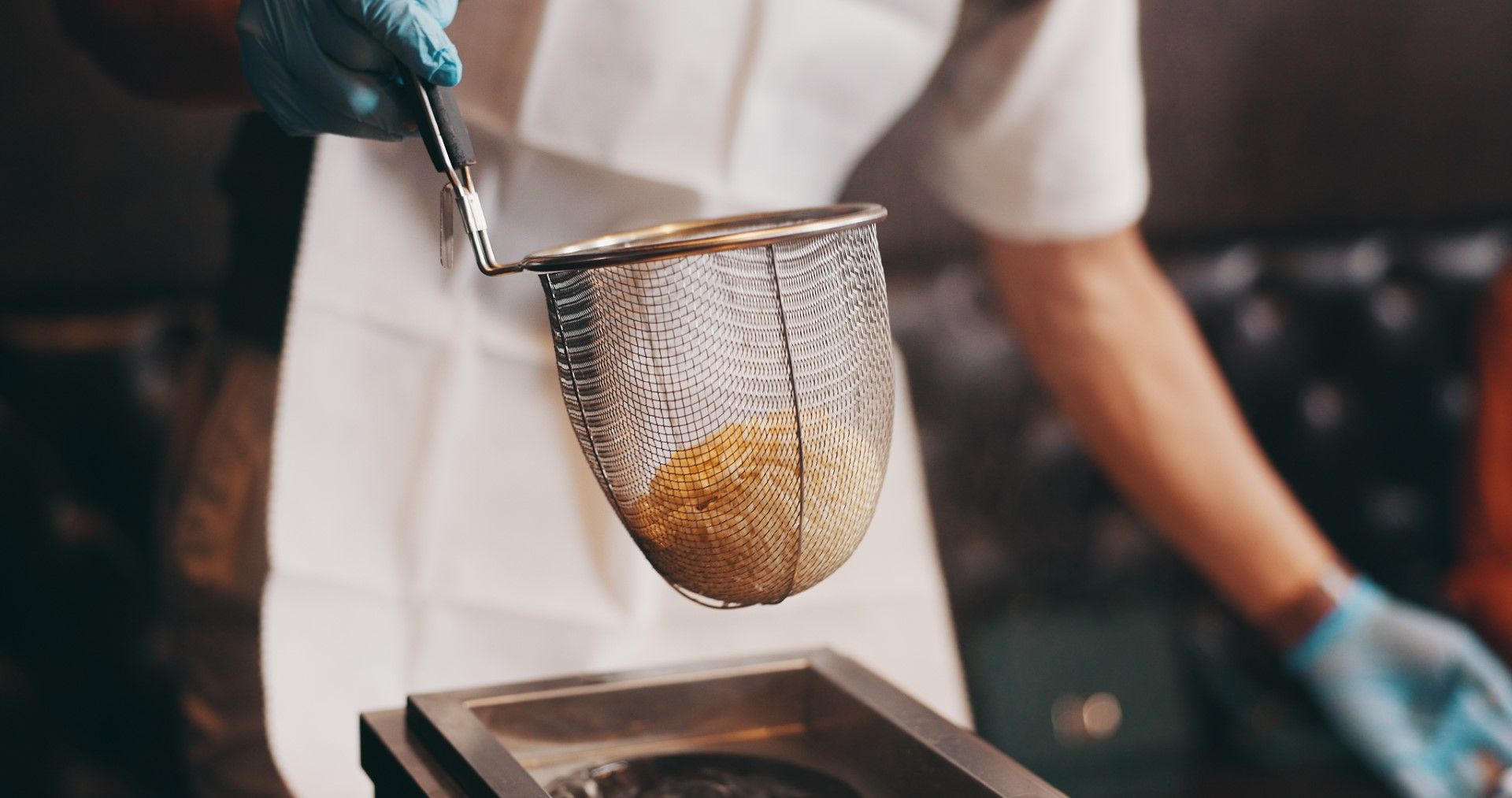
Routine septic service plays a major role in supporting bacterial performance. Scheduled pumping removes excess solids before they overwhelm the system. Inspections identify early signs of mechanical failure or structural damage. Grease trap cleaning also prevents heavy grease accumulation that can disrupt microbial activity.
Ameri-Tex Septic and Grease Service provides septic pumping, grease trap maintenance, lift station services, sewer line cleaning, and emergency repairs. Their trained technicians help maintain ideal operating conditions so beneficial bacteria can continue working effectively. Regular service visits also help customers avoid costly emergency repairs and system replacements.
Additionally, property owners should limit harsh chemicals entering the system. Using septic-safe cleaning products and avoiding grease disposal down drains helps maintain natural bacterial balance. These small practices greatly improve long-term system reliability.
Aerobic vs. Anaerobic Systems: Key Differences
Both septic system types depend on bacteria, yet they operate differently. Understanding these differences helps property owners plan proper maintenance schedules.
Anaerobic systems operate without oxygen and rely on slower bacterial digestion. These systems are simpler in design and typically require regular pumping to remove accumulated sludge.
Aerobic systems introduce oxygen to accelerate bacterial activity. They provide faster treatment and cleaner wastewater, yet they require more frequent inspections due to mechanical components.
Regardless of system type, maintaining strong bacterial populations remains essential for effective wastewater treatment.
Keep Your Septic System Performing at Its Best
Bacteria are the unseen workforce that keeps septic systems functioning properly. When bacteria in aerobic and anaerobic septic systems remain healthy, waste breaks down efficiently and systems operate smoothly. Regular maintenance protects these biological processes while preventing unexpected failures.
Ameri-Tex Septic and Grease Service delivers reliable septic cleaning, inspections, grease trap services, and repairs for residential and commercial properties. Their experienced team helps customers maintain efficient systems and avoid costly disruptions. Contact us today to schedule professional septic service and keep your system performing at peak efficiency.