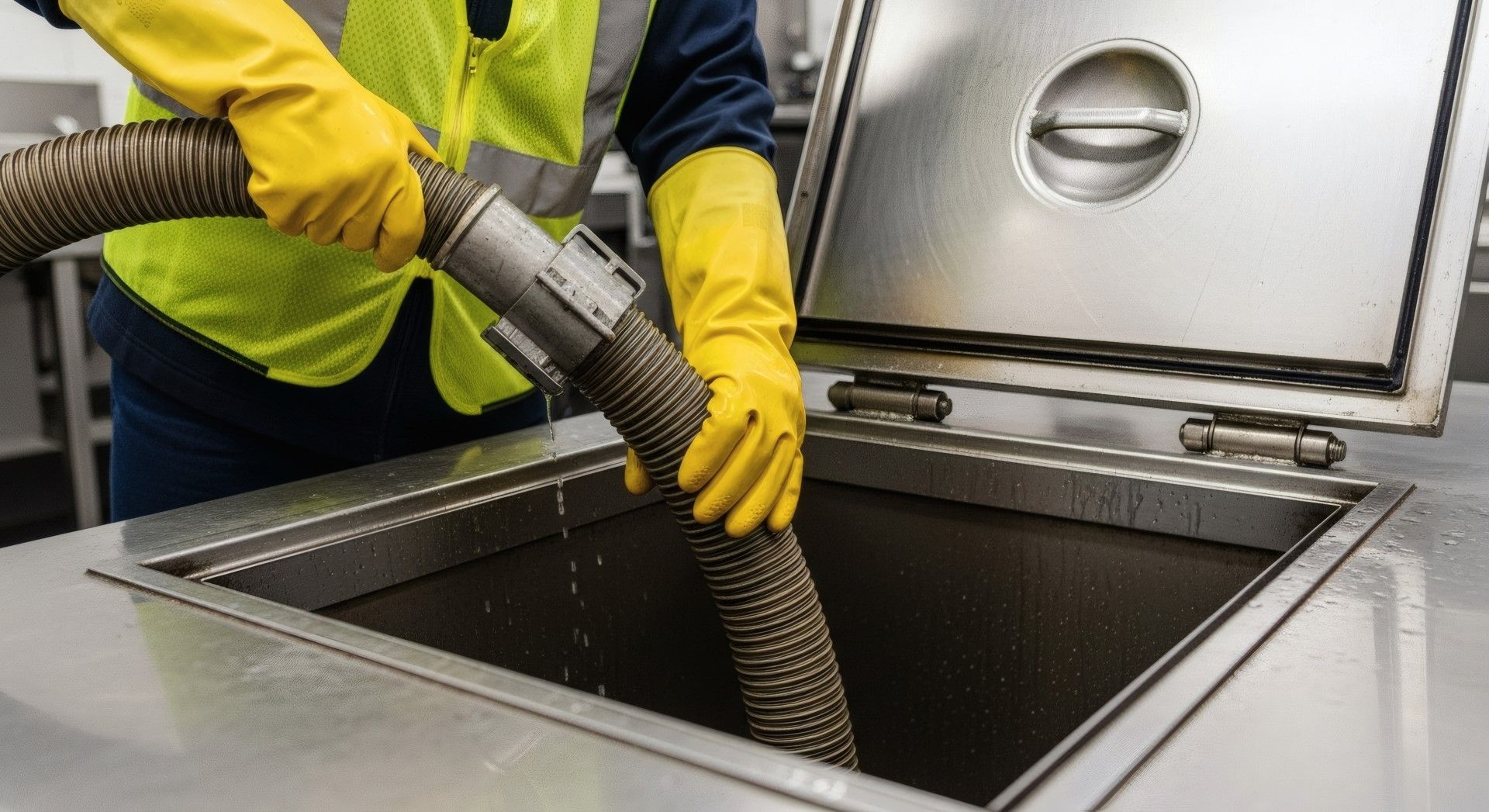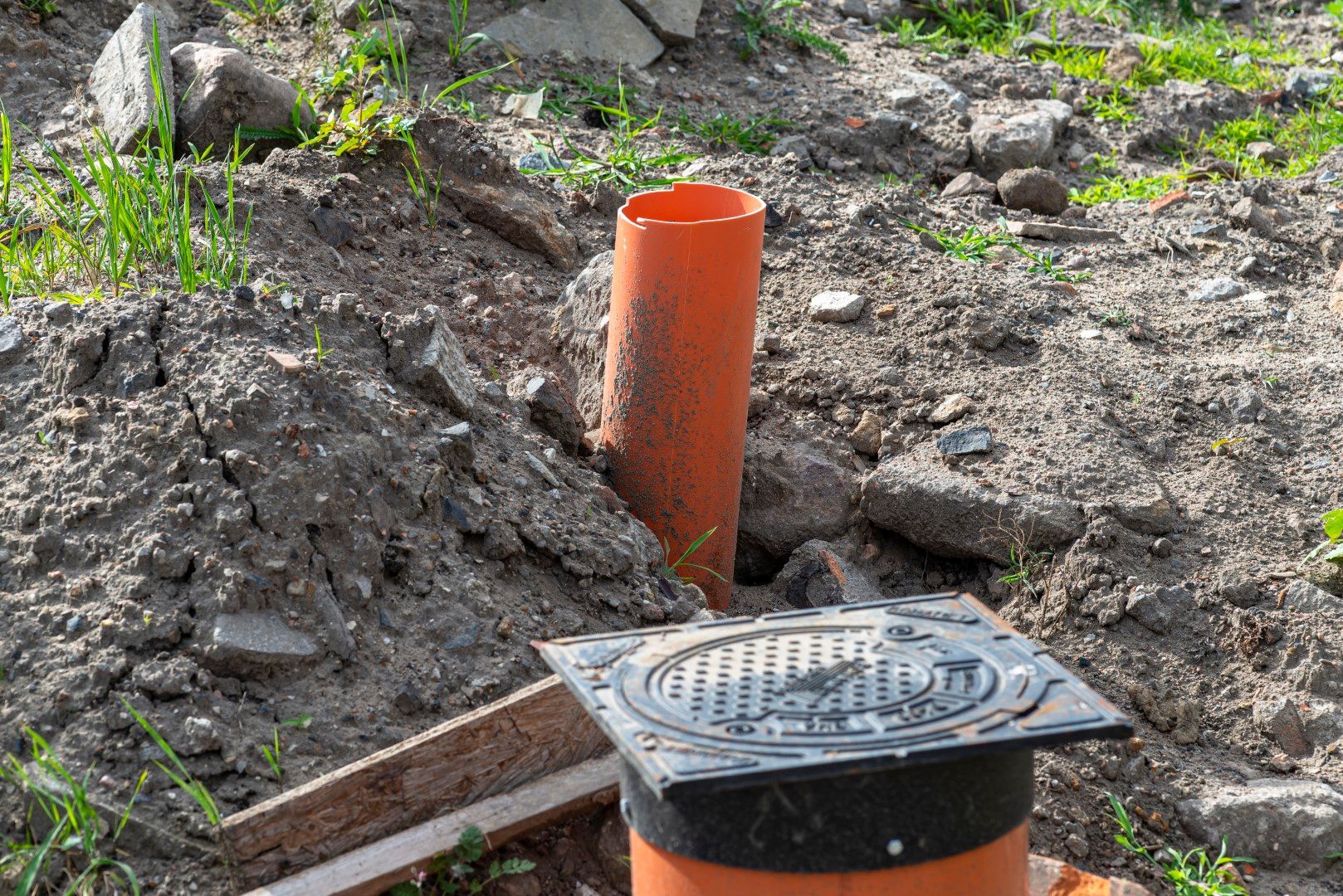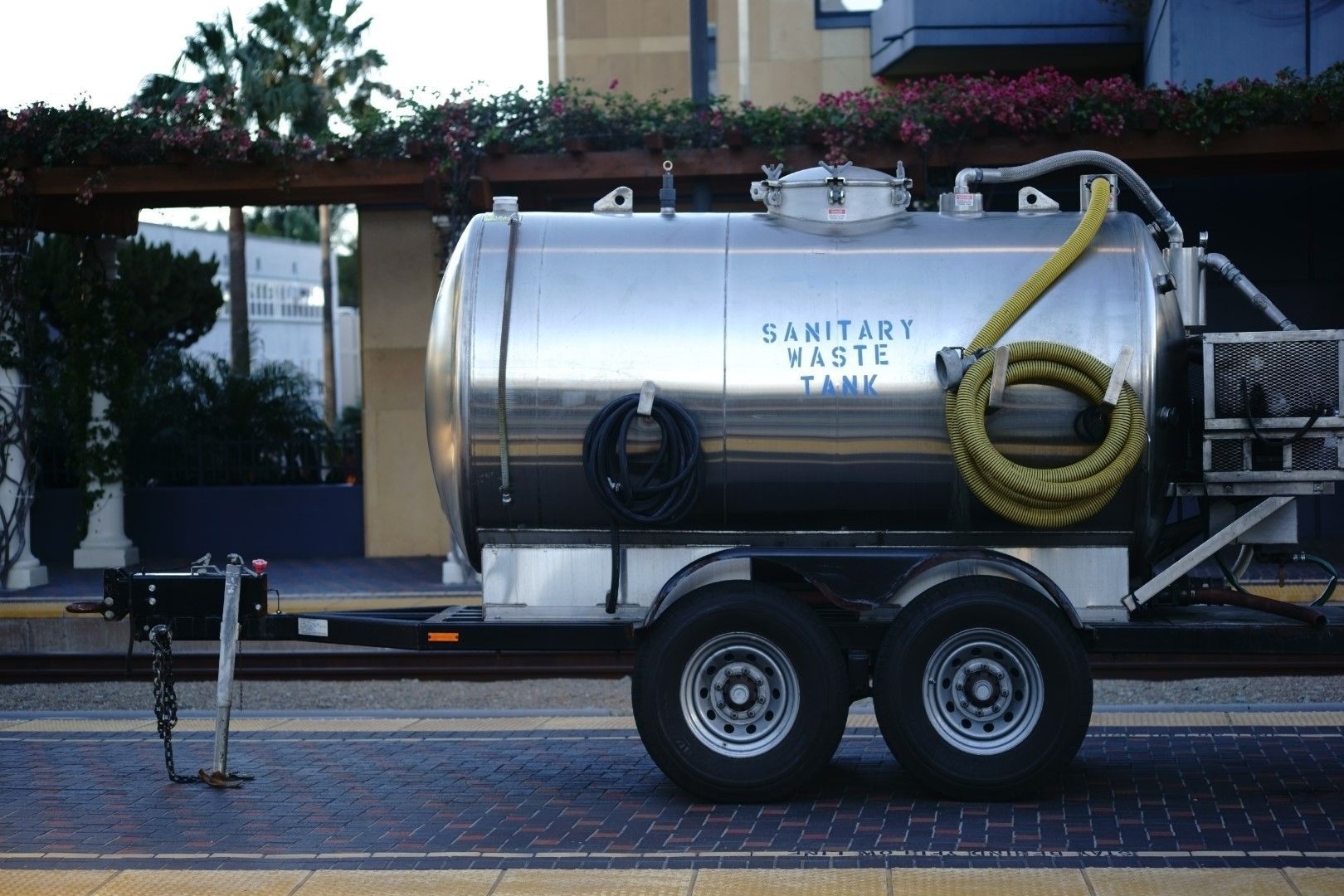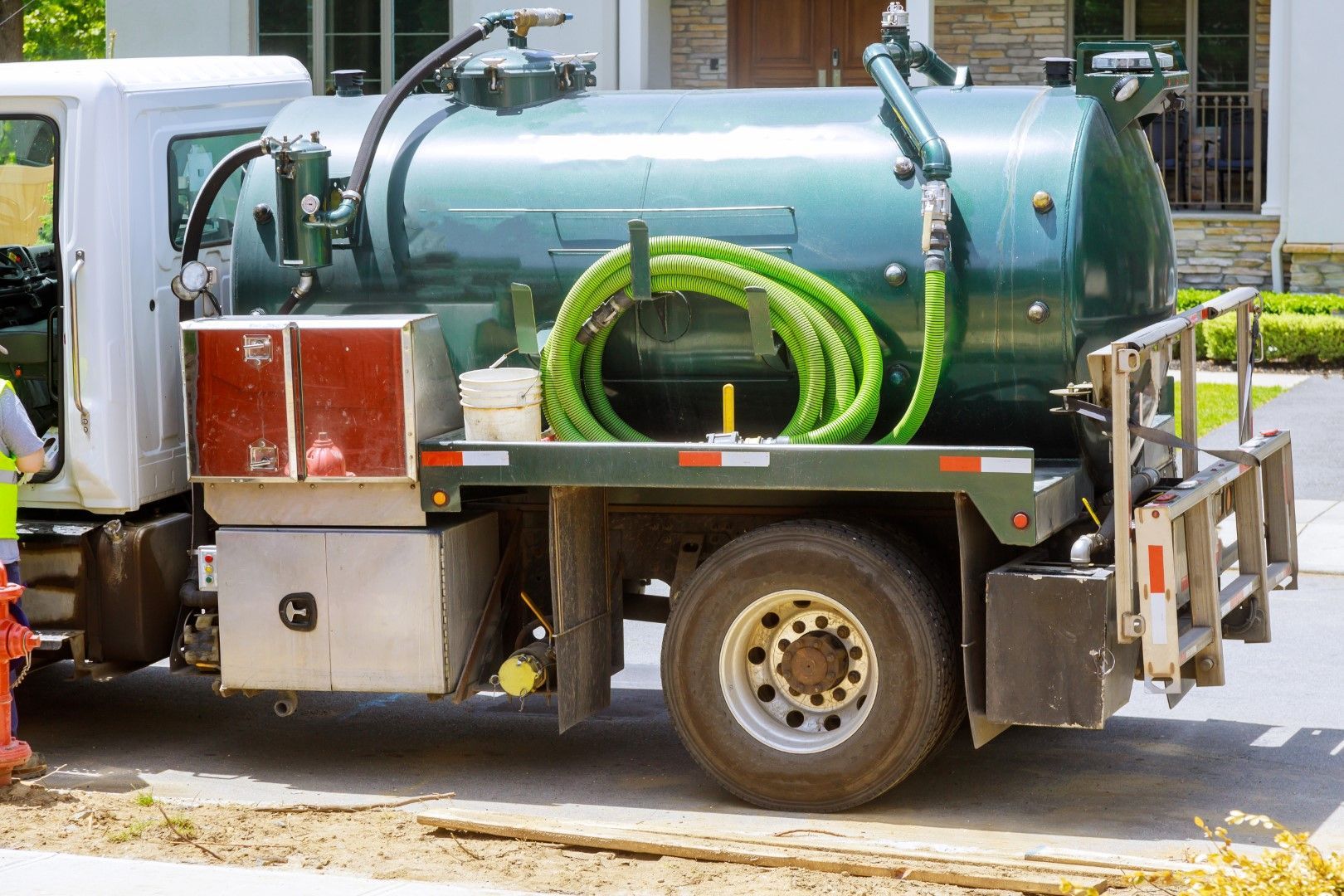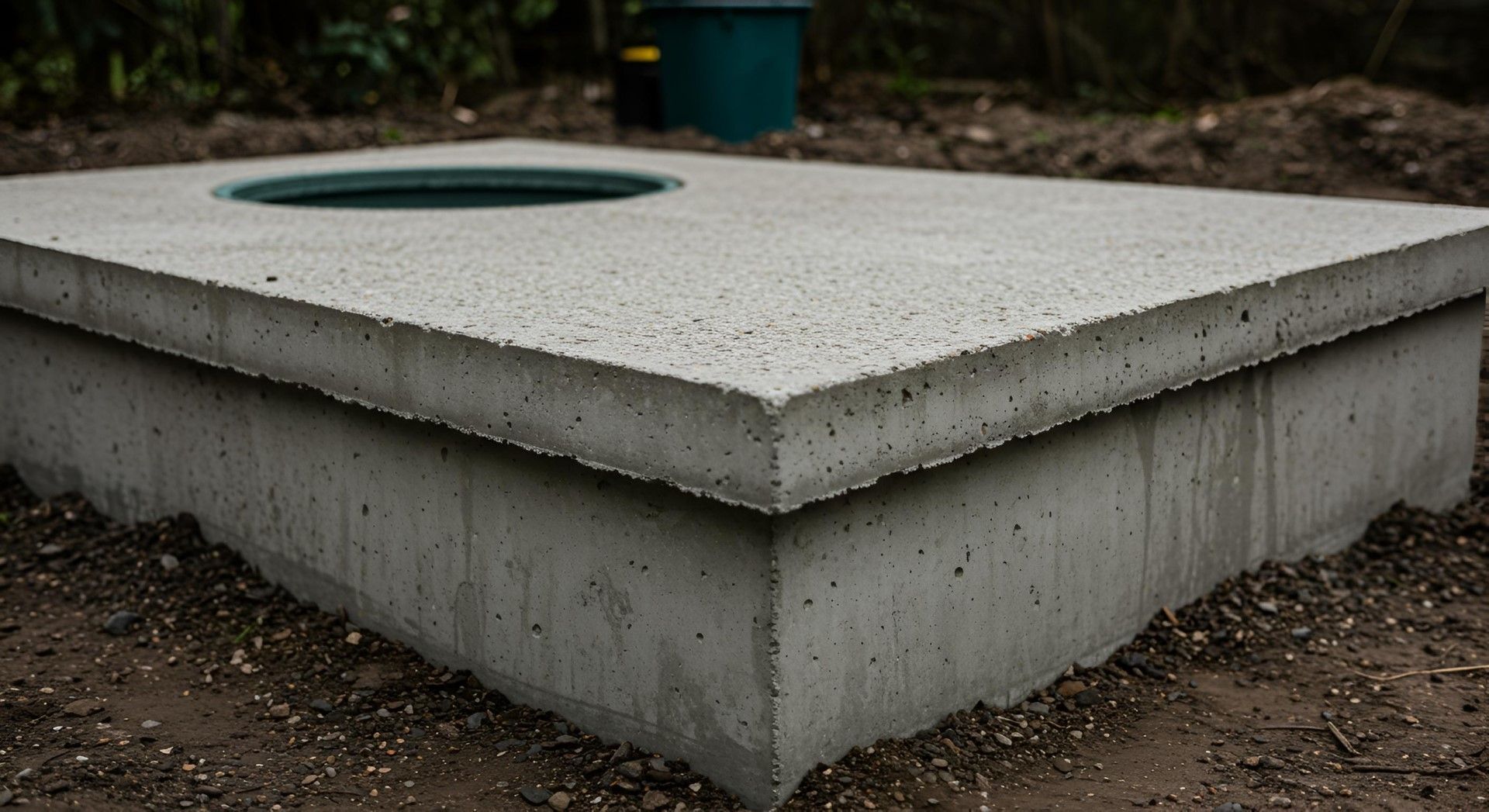
A full septic tank can quickly turn a small plumbing concern into a messy property emergency. Fortunately, recognizing the early signs your septic tank is full can help you act before wastewater backs up into your home.
Septic tanks collect wastewater while allowing solids, liquids, and scum to separate. However, the solid waste does not disappear. It builds up over time and must be professionally removed.
When the tank reaches capacity, wastewater may no longer flow or drain correctly. Therefore, homeowners should contact a septic professional as soon as warning signs appear. Ameri-Tex Septic & Grease Service provides septic tank pumping, cleanouts, repairs, and emergency service throughout Houston and the Greater Houston area.
What Happens When a Septic Tank Gets Full?
When wastewater enters a septic tank, solids settle near the bottom. Meanwhile, oils and lighter materials form a layer near the top. The remaining liquid flows into the drain field for further treatment.
Over time, the solid layer becomes thicker. Eventually, the tank cannot hold or process wastewater properly. Solids may also move toward the outlet pipe and drain field.
At that point, homeowners may experience slow drains, odors, backups, or wet areas outside. Delaying service can also place unnecessary strain on the tank, pipes, and drain field.
Multiple Drains Are Moving Slowly
One slow sink may indicate a localized plumbing clog. However, several slow fixtures can be among the clearest signs your septic tank is full.
You may notice water draining slowly from:
- Toilets
- Bathtubs
- Showers
- Bathroom sinks
- Kitchen sinks
- Washing machine drains
Pay attention when several fixtures develop problems at the same time. Additionally, notice whether plunging or drain cleaners provide only temporary relief.
A professional inspection can determine whether the issue comes from the septic tank, sewer line, or another system component.
Toilets Are Difficult to Flush
Toilets often provide an early warning when a septic system cannot accept more wastewater. For example, a toilet may flush weakly, drain slowly, or require several attempts.
You may also notice the water level changing inside the toilet bowl. In some cases, the toilet may bubble when another fixture drains.
These problems occur because wastewater and air cannot move freely through the system. Therefore, repeated toilet issues should not be ignored, especially when other drains are also slow.
You Hear Gurgling From Your Plumbing
Unusual gurgling sounds may indicate trapped air inside your plumbing or septic lines. These sounds often appear when someone flushes a toilet or drains a sink.
Although one occasional sound may not signal an emergency, frequent gurgling deserves attention. The system may be struggling to move wastewater into an already full tank.
Professional septic tank pumping can restore capacity when accumulated waste causes the problem. However, an inspection may also reveal a blockage, damaged line, or failing component.
Sewage Odors Appear Indoors or Outside
A properly functioning septic system should not create persistent sewage odors around your property. Therefore, foul smells near drains, toilets, the tank, or the drain field require prompt attention.
Odors can develop when waste sits too close to the tank’s inlet or outlet. Escaping gases may then travel through the plumbing or surrounding soil.
However, odors can also point to a damaged pipe, loose tank cover, blocked vent, or drain field issue. Ameri-Tex can inspect the system and identify the source instead of simply masking the smell.
Water or Sewage Backs Up Into the Home
A sewage backup is one of the most urgent signs your septic tank is full. Wastewater may appear inside a bathtub, shower, sink, floor drain, or toilet.
This situation can expose household members to harmful contaminants. It can also damage flooring, walls, cabinets, and personal belongings.
Stop using water immediately when sewage begins backing up. Avoid flushing toilets, running appliances, or taking showers. Then, contact a professional septic company for emergency assistance.
Do not attempt to open or enter the tank yourself. Septic tanks contain dangerous gases and should only be handled by trained professionals.
Standing Water Appears Near the Septic Area
Wet or unusually soft ground near the tank may indicate that wastewater has nowhere else to go. You might also notice puddles even though it has not rained recently.
In addition, the grass above the septic tank or drain field may appear greener than the surrounding lawn. While healthy grass may seem positive, sudden growth can indicate excess moisture and nutrients beneath the soil.
Standing wastewater requires immediate attention. It can create unpleasant odors, attract insects, and expose people or pets to contamination.
Your Septic Alarm Is Activated
Many aerobic septic systems include alarms that warn homeowners about high water levels or equipment problems. Therefore, a flashing light or audible alarm should never be dismissed.
The tank may be full, or a pump may have stopped moving wastewater. Electrical problems, damaged floats, and mechanical failures can also activate the alarm.
Reduce water usage and contact a septic professional promptly. Ameri-Tex services conventional and aerobic septic systems and can determine why the alarm was triggered.
It Has Been Years Since Your Last Pumping
Sometimes, the most important warning sign is simply the maintenance history. If you cannot remember the last pumping date, your tank may already be overdue.
Pumping frequency depends on several factors, including:
- Tank size
- Household size
- Daily water usage
- Garbage disposal use
- Amount of solid waste
- System type
- Property occupancy
A larger household will usually fill a tank faster than a smaller household. Likewise, frequent laundry, long showers, and excessive water use can increase the system’s workload.
A professional can inspect the tank and recommend a schedule based on your property. As a result, you will not need to rely on a generic timeline.
Is the Tank Full or Is the Septic System Failing?
A full tank and a failing septic system can create similar symptoms. For example, both problems may cause slow drains, odors, backups, or standing water.
Pumping removes accumulated solids and restores usable space inside the tank. However, pumping cannot repair collapsed pipes, broken pumps, root intrusion, or a damaged drain field.
That is why proper diagnosis matters. An experienced septic technician can evaluate the tank, sewer lines, components, and surrounding area. Then, the technician can recommend pumping, cleaning, repairs, or additional maintenance.
Avoid a Septic Emergency With Fast Professional Service
Knowing the signs your septic tank is full can help you protect your home, plumbing, and surrounding property. Slow drains, gurgling pipes, sewage odors, backups, standing water, and septic alarms all deserve professional attention.
Ameri-Tex Septic & Grease Service provides septic tank pumping, septic cleanouts, sewer line services, and aerobic system repairs throughout Houston and the Greater Houston area. The team also offers same-day and emergency assistance when septic problems cannot wait.
Do not allow a full tank to become a costly wastewater emergency. Contact us today to schedule septic tank pumping or request fast professional service.